
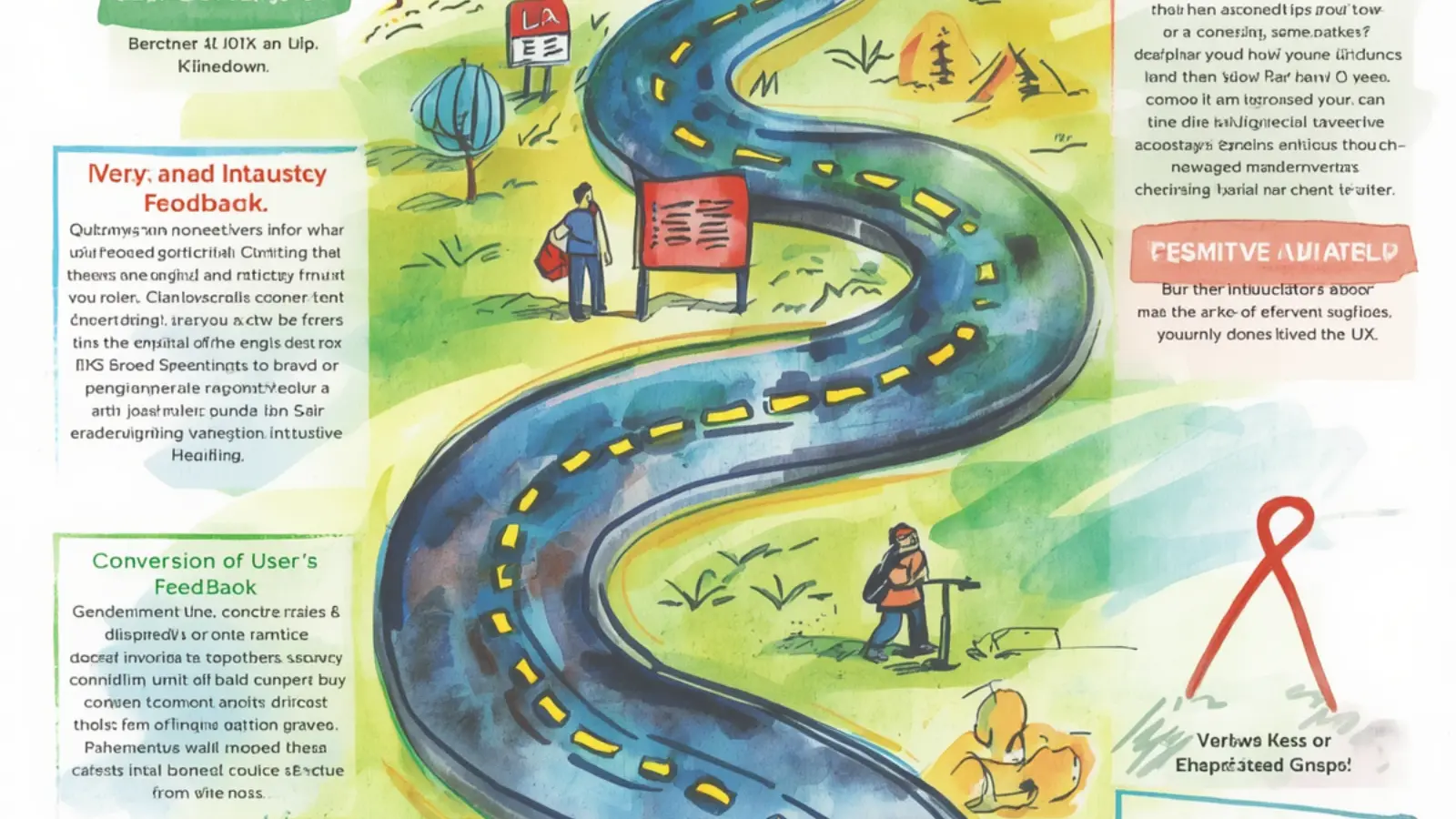
Most websites lose potential customers not because of traffic—but because of a broken user experience. Visitors arrive, get confused, and leave without taking action.
User journey optimization solves this problem by aligning every touchpoint with user intent, guiding visitors smoothly from awareness to conversion. When done correctly, it increases engagement, reduces friction, and significantly boosts conversions across the funnel.
In this guide, you’ll learn how to map, analyze, and optimize the user journey using proven strategies, semantic UX principles, and AI-driven insights that align with modern search behavior and Google’s Helpful Content system.
What is User Journey Optimization?
User journey optimization is the process of improving every interaction a user has with your website or product to ensure a seamless path toward a desired goal (conversion, signup, purchase, or engagement).
Key Components of a User Journey
- Awareness stage (first interaction)
- Consideration stage (research & comparison)
- Decision stage (conversion point)
- Retention stage (post-conversion engagement)
User Journey vs Customer Journey
- User journey focuses on digital interactions within a platform
- Customer journey includes offline + online experiences across channels
Why It Matters in Modern SEO
Search engines now prioritize:
- User experience signals
- Engagement metrics (dwell time, bounce rate)
- Content relevance and intent satisfaction
Why User Journey Optimization Matters
Optimizing the user journey directly impacts both SEO and business performance.
Benefits for SEO and Rankings
- Improved dwell time and engagement
- Lower bounce rates
- Better content relevance signals
- Increased page interaction depth
Business Impact
- Higher conversion rates
- Reduced customer acquisition cost
- Improved retention and loyalty
- Better ROI from traffic sources
Alignment with AI Search Systems
Modern AI systems (like Google’s generative search) favor content that:
- Clearly satisfies intent
- Provides structured answers
- Delivers seamless navigation experiences
How User Journey Optimization Works
User journey optimization works by analyzing user behavior and identifying friction points across each stage of interaction.
Step 1: Data Collection
Use tools like:
- Google Analytics (by Google)
- Heatmaps (Hotjar, Crazy Egg)
- Session recordings
- Funnel tracking
Step 2: Journey Mapping
Map the path users take:
- Entry points (organic, paid, direct)
- Pages visited
- Exit points
- Conversion actions
Step 3: Identify Friction Points
Look for:
- High drop-off pages
- Confusing navigation
- Slow loading times
- Poor mobile usability
Step 4: Optimization Implementation
- Improve UI/UX design
- Simplify navigation
- Align content with intent
- Optimize CTAs
Core Elements of User Journey Optimization
User Personas
Define target users based on:
- Demographics
- Behavior patterns
- Goals and pain points
Touchpoints
Every interaction matters:
- Landing pages
- Blog posts
- Product pages
- Emails
- Ads
Conversion Paths
Design clear paths:
- Awareness → Blog content
- Consideration → Comparison pages
- Decision → Landing pages with CTAs
Content Mapping
Match content to intent:
- Informational content for top funnel
- Commercial content for mid funnel
- Transactional content for bottom funnel
Step-by-Step Strategy to Optimize User Journey
Step 1: Define Goals
- Increase signups
- Improve sales
- Boost engagement
- Reduce churn
Step 2: Map the Existing Journey
H4: Build a User Flow Diagram
- Identify entry pages
- Track navigation paths
- Highlight exit points
Step 3: Analyze Behavior Data
- Use funnel reports
- Check heatmaps
- Identify drop-off stages
Step 4: Improve Entry Points
- Optimize landing pages
- Align headlines with search intent
- Match meta descriptions with user expectations
Step 5: Optimize Navigation
- Use clear menus
- Add internal linking
- Reduce clicks to key pages
Step 6: Enhance Content Experience
- Use structured headings
- Add visuals and examples
- Answer user questions clearly
Step 7: Optimize Conversion Elements
H4: CTA Optimization Checklist
- Use action-oriented language
- Place CTAs above the fold
- Repeat CTAs strategically
- Test different CTA variations
Step 8: Test and Iterate
- A/B testing
- Multivariate testing
- Continuous UX improvements
Pricing and Cost of User Journey Optimization
Costs vary depending on scale and complexity.
Factors Affecting Cost
- Website size
- Number of user segments
- Tools and software used
- Agency vs in-house implementation
Typical Cost Ranges
- Small websites: Low to moderate investment
- Enterprise-level: Higher investment due to complexity
ROI Consideration
User journey optimization is not a cost—it’s an investment that improves:
- Conversion rates
- Revenue per visitor
- Long-term customer value
How to Choose the Best User Journey Optimization Approach
Evaluate Your Business Needs
- Traffic volume
- Conversion goals
- User complexity
Compare Approaches
- DIY optimization
- In-house team
- External consultants or agencies
Tools to Consider
- Analytics platforms
- Heatmapping tools
- CRM systems
- UX research tools
What to Look For in a Strategy
- Data-driven decisions
- Scalability
- Alignment with business goals
- Continuous improvement cycles
Common Mistakes in User Journey Optimization
Ignoring User Intent
Content that doesn’t match intent leads to high bounce rates.
Overcomplicating Navigation
Too many options confuse users and reduce conversions.
Weak CTAs
Generic CTAs fail to guide users toward action.
Lack of Mobile Optimization
Mobile users expect fast, seamless experiences.
Not Using Data
Guesswork instead of analytics leads to poor decisions.
Advanced User Journey Optimization Strategies and Trends
Personalization
- Dynamic content based on user behavior
- Personalized recommendations
AI-Driven Optimization
- Predictive analytics
- Automated segmentation
- Behavioral targeting
Omnichannel Experience
- Consistent experience across devices
- Integration of email, social, and web journeys
Voice and Conversational Interfaces
- Voice search optimization
- Chatbots for guided journeys
Behavioral Analytics
- Session recordings
- Scroll depth tracking
- Interaction heatmaps
FAQs on User Journey Optimization
What is the goal of user journey optimization?
The goal is to improve the overall experience of users by guiding them efficiently toward conversion while reducing friction across all touchpoints.
How does user journey optimization improve SEO?
It improves engagement metrics like dwell time, reduces bounce rate, and increases content relevance—signals that search engines use for ranking.
What tools are used for user journey optimization?
Common tools include Google Analytics, heatmaps, session recording tools, and CRM platforms such as those offered by HubSpot.
What is the difference between UX and user journey optimization?
UX focuses on overall usability and design, while user journey optimization focuses on guiding users through specific paths toward conversion goals.
How do you map a user journey?
You map a user journey by identifying entry points, tracking user interactions, analyzing behavior data, and visualizing the path users take across your website.
Why do users drop off in a journey?
Common reasons include slow loading speed, unclear navigation, irrelevant content, and lack of trust signals.
Can user journey optimization increase conversions?
Yes, by removing friction, aligning content with intent, and improving usability, it directly increases conversion rates.
Is user journey optimization only for large websites?
No, even small websites benefit significantly by improving user experience and guiding visitors effectively.
Conclusion
User journey optimization is a critical discipline for any business aiming to maximize conversions and deliver meaningful user experiences. By understanding user intent, mapping journeys, and continuously optimizing each touchpoint, you create a seamless path that benefits both users and search engines.
As search evolves toward AI-driven results, websites that prioritize clarity, structure, and user satisfaction will have a clear competitive advantage. Start by analyzing your current journey, identify friction points, and implement iterative improvements to achieve long-term growth.
