
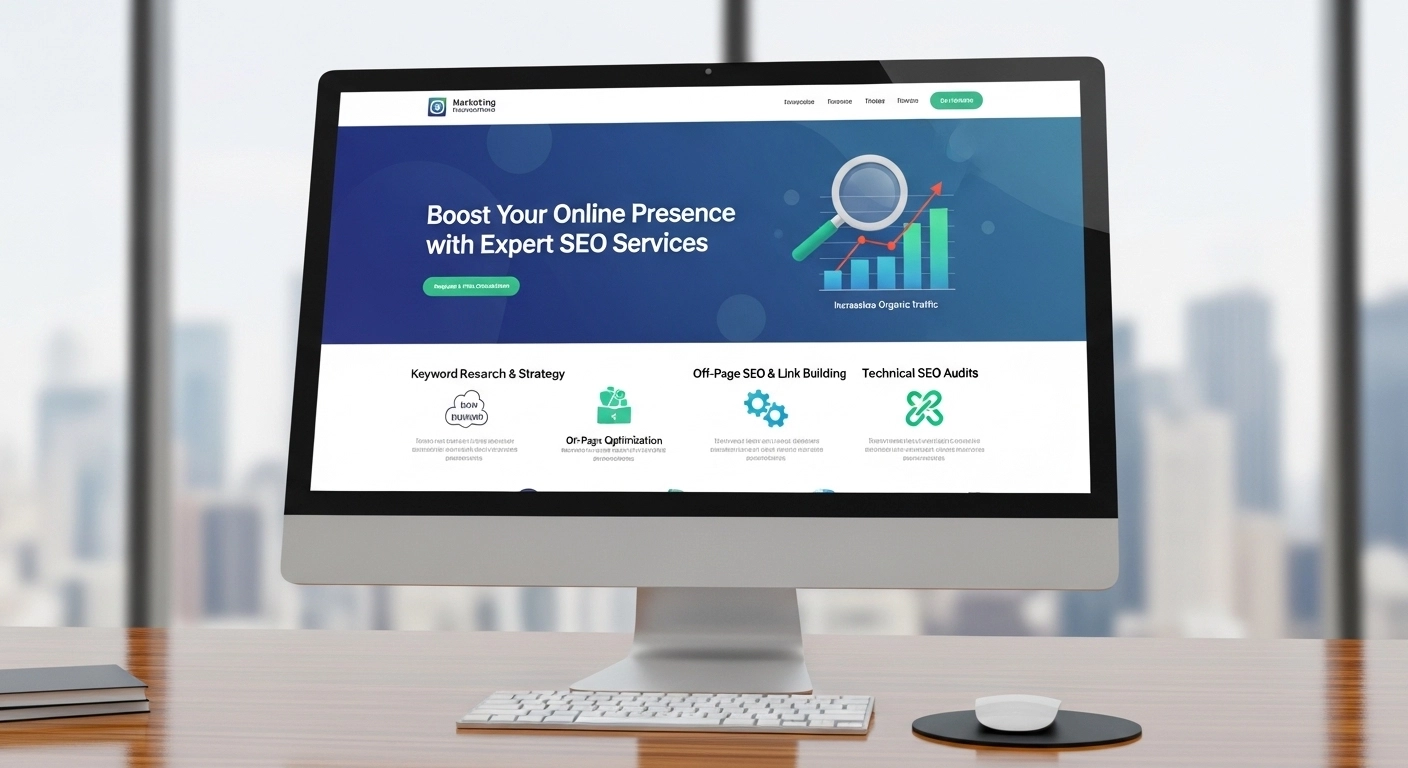
If your marketing website isn’t showing up on search engines, you’re leaving traffic—and revenue—on the table. SEO services for marketing websites are designed to fix that. They help your site rank higher, attract the right audience, and turn visitors into customers.
This guide breaks down exactly what these services include, why they matter, and how they can grow your business.
What Are SEO Services for Marketing Websites?
SEO (Search Engine Optimization) services focus on improving your website’s visibility in search engines like Google. For marketing websites, this goes beyond basic optimization—it’s about aligning your site with user intent, content strategy, and conversion goals.
A strong SEO service doesn’t just bring traffic. It brings qualified traffic—people actively searching for what you offer.
Why Marketing Websites Need SEO
Marketing websites are built to generate leads, sales, or brand awareness. Without SEO, even the best-designed site can remain invisible.
Here’s why SEO is essential:
- Higher visibility: Appear in front of users searching for your services
- Better traffic quality: Attract users with real intent
- Lower long-term costs: Reduce reliance on paid ads
- Improved credibility: Ranking high builds trust
Core SEO Services That Drive Results
1. Keyword Research & Strategy
Everything starts with understanding what your audience is searching for.
A solid keyword strategy includes:
- High-intent keywords (like “SEO services for marketing websites”)
- Long-tail keywords (more specific, lower competition)
- Competitor keyword analysis
Example:
Instead of targeting “SEO,” a better keyword might be “SEO for small business marketing websites.”
2. On-Page SEO Optimization
This ensures every page on your site is optimized for both users and search engines.
Key elements include:
- SEO-friendly titles and meta descriptions
- Proper use of headings (H1, H2, H3)
- Keyword placement without stuffing
- Internal linking structure
- Image optimization
3. Technical SEO
Technical SEO makes sure your website runs smoothly and is easy for search engines to crawl.
Important areas:
- Site speed optimization
- Mobile responsiveness
- Fixing broken links (404 errors)
- XML sitemap and indexing
- Secure HTTPS setup
4. Content Creation & Optimization
Content is the backbone of SEO. High-quality content helps you rank and build authority.
Effective SEO content includes:
- Blog posts targeting search queries
- Service pages optimized for conversions
- Informational guides that answer user questions
Example:
A marketing agency might publish blogs like:
- “How SEO Helps Marketing Websites Convert Better”
- “Best SEO Strategies for Lead Generation”
5. Link Building
Backlinks (links from other websites) signal trust and authority to search engines.
SEO services typically include:
- Guest posting
- Outreach campaigns
- Local directory listings
- Earning natural links through quality content
6. Conversion Rate Optimization (CRO)
Getting traffic is only half the job. SEO for marketing websites also focuses on turning visitors into leads.
This involves:
- Clear call-to-actions (CTAs)
- Optimized landing pages
- Better user experience (UX)
- A/B testing
How SEO Services Improve Marketing Results
When done right, SEO becomes a powerful growth engine.
Here’s what you can expect:
- More organic traffic without paying for ads
- Better lead quality from targeted searches
- Higher conversion rates through optimized pages
- Long-term growth that compounds over time
Choosing the Right SEO Service Provider
Not all SEO services are equal. The right provider should focus on results—not just rankings.
Look for:
- Proven case studies or results
- Transparent reporting
- Customized strategies (not one-size-fits-all)
- Clear communication
Avoid agencies that promise “instant rankings” or use outdated tactics.
Common SEO Mistakes to Avoid
Even with good intentions, many marketing websites make these mistakes:
- Targeting the wrong keywords
- Ignoring technical SEO issues
- Publishing low-quality or duplicate content
- Overusing keywords (keyword stuffing)
- Not tracking performance
Fixing these can often lead to quick improvements.
Simple FAQ
What makes SEO different for marketing websites?
Marketing websites focus on conversions, so SEO must align with user intent and lead generation—not just traffic.
How long does SEO take to show results?
Most websites start seeing noticeable improvements in 3–6 months, depending on competition and strategy.
Is SEO better than paid ads?
SEO is more sustainable long-term, while paid ads provide quick results. The best approach often combines both.
Do I need ongoing SEO services?
Yes. Search trends, competitors, and algorithms change constantly, so ongoing optimization is important.
Final Thoughts
SEO services for marketing websites aren’t just about ranking higher—they’re about building a system that consistently brings in the right audience and converts them into customers.
If your website isn’t generating the results you want, SEO is likely the missing piece.
