
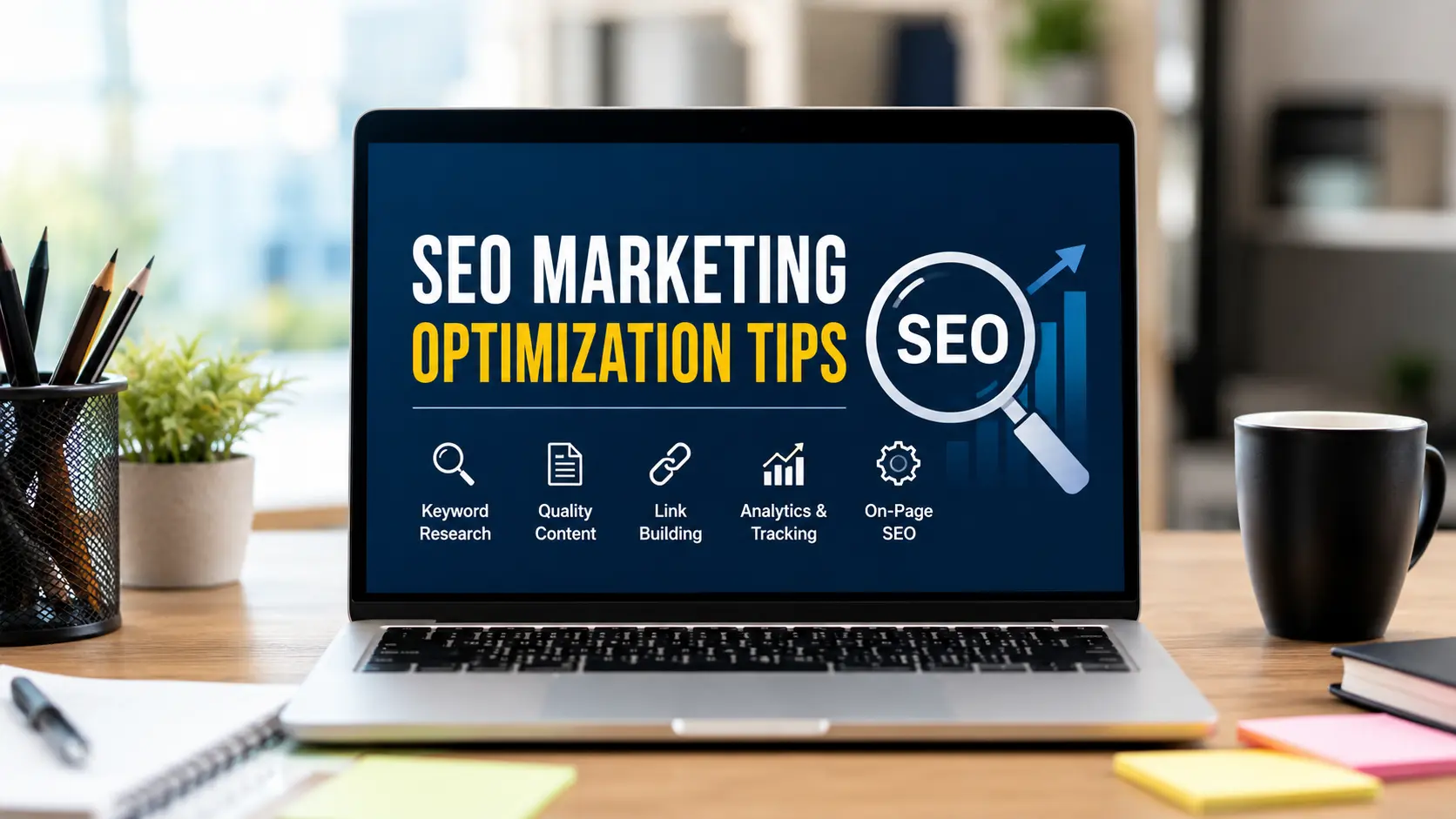
Search engines are more competitive than ever, and simply publishing content is not enough. To grow visibility, you need a smart approach that combines strategy, user intent, and continuous optimization. These SEO marketing optimization tips will help you improve rankings, attract qualified traffic, and turn visitors into customers.
Understand Search Intent Before Anything Else
The foundation of SEO success is understanding what users actually want when they search.
Search intent usually falls into four categories:
- Informational: Users want answers (e.g., “how SEO works”)
- Navigational: Users look for a specific site or brand
- Commercial: Users compare options before buying
- Transactional: Users are ready to take action
If your content doesn’t match intent, it won’t rank well—no matter how optimized it is.
Example:
If someone searches “SEO marketing optimization tips,” they expect practical strategies—not vague definitions or theory.
Focus on Keyword Strategy, Not Just Keywords
Modern SEO is about topics, not single keywords.
Instead of repeating your main keyword, build content around related ideas like:
- SEO strategy improvement
- content optimization techniques
- on-page SEO best practices
- organic traffic growth methods
This helps search engines understand your content depth and relevance.
Pro Tip:
Use your main keyword naturally in the title, introduction, and one or two headings—not everywhere.
Optimize On-Page Elements Properly
On-page SEO still plays a major role in rankings. Make sure each page includes:
Strong Title Tags
Keep them clear, keyword-relevant, and compelling.
Meta Descriptions
Write a short summary that encourages clicks, not just keywords.
Headings (H1, H2, H3)
Structure content logically so both users and search engines can scan easily.
Internal Linking
Connect related pages to guide users and distribute authority across your site.
Improve Content Quality and Depth
Google rewards content that fully solves the user’s problem.
To improve quality:
- Answer questions clearly and directly
- Add real-world examples
- Avoid filler sentences
- Keep paragraphs short and readable
A strong SEO article should feel like a helpful guide, not a keyword-stuffed page.
Optimize for Page Speed and Mobile Experience
Even great content can fail if your website is slow or hard to use.
Key improvements include:
- Compressing images
- Using clean, lightweight design
- Ensuring mobile responsiveness
- Reducing unnecessary scripts
A fast website improves both rankings and user satisfaction.
Build High-Quality Backlinks
Backlinks still matter, but quality is more important than quantity.
Focus on:
- Guest posting on relevant sites
- Creating shareable content (guides, stats, insights)
- Building relationships in your niche
- Earning links naturally through value
Avoid spammy or low-quality links—they can hurt your SEO.
Use Data to Continuously Improve
SEO is not a one-time task. It requires ongoing optimization.
Track performance using:
- Click-through rate (CTR)
- Bounce rate
- Keyword rankings
- Time on page
Then update your content based on what the data shows.
Simple SEO Marketing Checklist
- Match search intent
- Use topic-based keywords
- Optimize title, meta, and headings
- Improve readability
- Speed up your website
- Build quality backlinks
- Monitor and update content regularly
FAQ: SEO Marketing Optimization Tips
1. What is SEO marketing optimization?
It’s the process of improving your website so it ranks higher in search engines and attracts more relevant traffic.
2. How long does SEO take to show results?
Usually 3 to 6 months, depending on competition, content quality, and domain authority.
3. Do keywords still matter in SEO?
Yes, but they should be used naturally within high-quality, topic-focused content.
4. What is the most important SEO factor?
User experience and content relevance are currently the most important ranking signals.
Conclusion
SEO success doesn’t come from shortcuts—it comes from consistency, strategy, and user-focused content. When you align your content with search intent, improve technical performance, and build authority over time, rankings naturally improve.
The key is simple: create content that genuinely helps users, and optimize it for both people and search engines.
