
Creating content for search engines is easy. Creating content that actually ranks, engages readers, and drives traffic—that’s where most people struggle.
The good news? You don’t need complicated tricks or expensive tools. You just need a clear understanding of how to optimize your content in a way that satisfies both search engines and real readers.
In this guide, you’ll learn practical SEO content optimization tips you can apply immediately to improve rankings, increase visibility, and make your content more valuable.
1. Start With Search Intent, Not Keywords
Before writing anything, ask one simple question:
What is the reader actually trying to find?
Search intent usually falls into four categories:
- Informational (learning something)
- Navigational (finding a specific site)
- Commercial (comparing options)
- Transactional (ready to buy)
For example, if someone searches “SEO content optimization tips”, they want:
- Clear steps
- Real examples
- Actionable strategies (not theory)
When your content matches intent, rankings become easier.
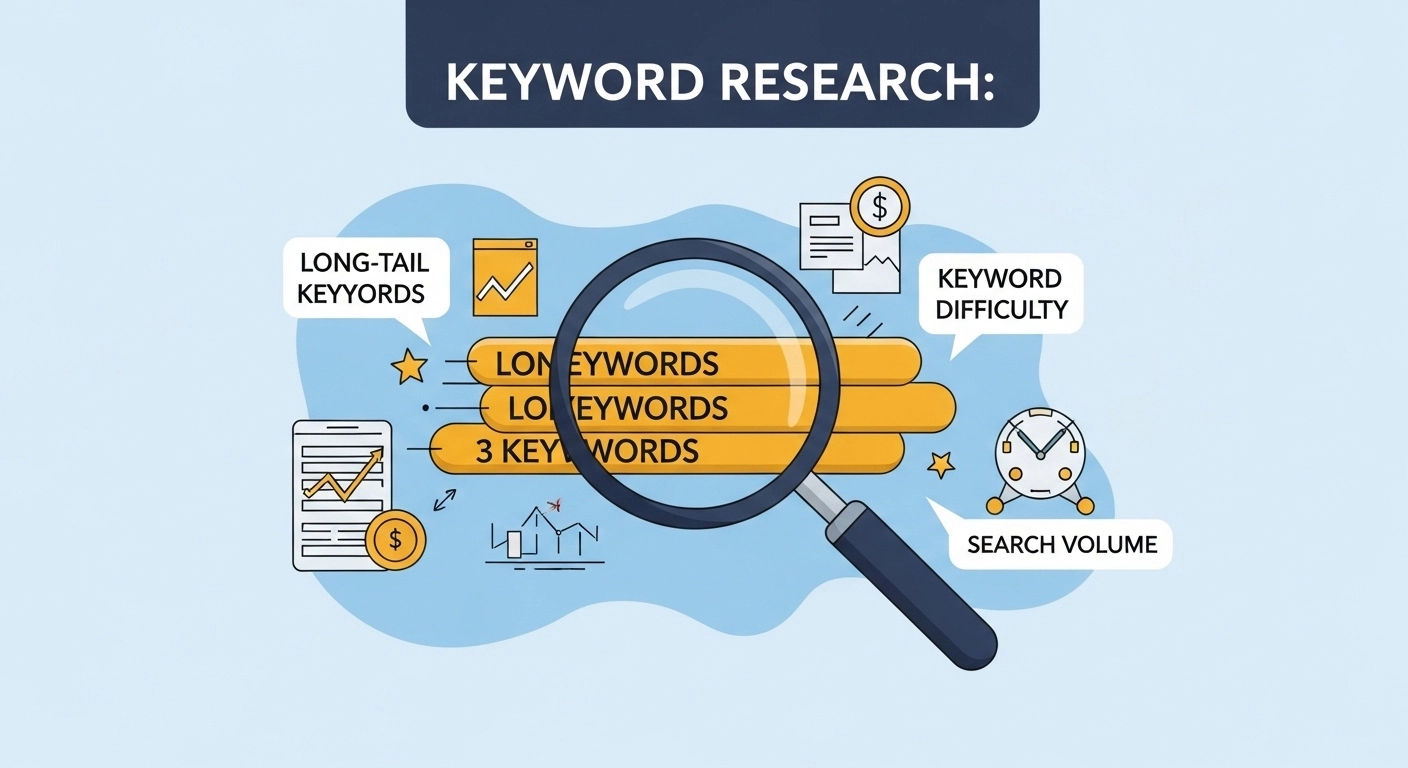
2. Use Keywords Naturally (Not Repeatedly)
Keyword stuffing is outdated and harmful. Instead, focus on natural usage:
- Place your main keyword in the title
- Include it in one H2 heading
- Use variations throughout the article
Also include related terms like:
- content optimization
- on-page SEO
- search visibility
- keyword targeting
- content structure
This helps Google understand context without forcing repetition.
3. Write Strong, Clear Headlines
Headings are not just formatting—they guide both readers and search engines.
Good SEO-friendly headings:
- Are clear and descriptive
- Promise value
- Break content into logical sections
Instead of:
❌ “Tips Section”
Use:
✅ “How to Optimize Content for Better Rankings”
4. Focus on Readability First
If your content feels heavy, users leave—and rankings drop.
To improve readability:
- Use short paragraphs (2–4 lines)
- Write simple sentences
- Avoid unnecessary jargon
- Use bullet points for clarity
Think like you’re explaining the topic to a smart 10th grader.
5. Optimize Your Title and Meta Description
Your title and meta description are your first impression on Google.
Best practices:
- Keep titles under ~60 characters
- Include the main keyword naturally
- Add a benefit or outcome
Example:
SEO Content Optimization Tips That Actually Improve Rankings
Meta description example:
Learn practical SEO content optimization tips to improve rankings, boost traffic, and create content that performs better in search results.
6. Improve Internal Linking Structure
Internal links help search engines understand your site structure and spread authority.
Smart internal linking:
- Connect related blog posts
- Use descriptive anchor text
- Link older posts to new ones
Example:
If you mention keyword research, link to your keyword guide naturally within the sentence.
7. Use Multimedia to Support Content
Text alone is not enough anymore.
Add:
- Images
- Charts
- Screenshots
- Infographics
This improves engagement and keeps users on the page longer—an important ranking signal.
8. Optimize for Mobile Experience
Most users browse on mobile. If your content is hard to read on small screens, you lose traffic.
Make sure:
- Fonts are readable
- Layout is clean
- Buttons and links are easy to tap
- Page loads fast
9. Update Old Content Regularly
SEO is not a one-time task.
Update old posts by:
- Adding new information
- Fixing outdated stats
- Improving headings and structure
- Adding internal links to newer content
This can boost rankings without writing new posts.
10. Track Performance and Improve
You can’t optimize what you don’t measure.
Use tools like Google Search Console to track:
- Click-through rate (CTR)
- Average position
- Impressions
- Top-performing pages
Then refine underperforming content based on data.
FAQ: SEO Content Optimization Tips
1. What is SEO content optimization?
It’s the process of improving content so it ranks higher in search engines and provides better value to readers.
2. How long should SEO content be?
There’s no fixed length, but high-ranking pages often provide complete answers, usually 1000–2000+ words depending on the topic.
3. How many keywords should I use?
Focus on one primary keyword and a few related terms. Natural usage matters more than frequency.
4. Does updating old content help SEO?
Yes. Updating content can significantly improve rankings and traffic if done correctly.
Conclusion
SEO content optimization is not about tricks—it’s about clarity, structure, and value. When you focus on user intent, readable writing, and smart optimization techniques, your content naturally performs better in search results.
Small improvements add up. Over time, they can turn average content into high-ranking pages that consistently bring traffic.
