
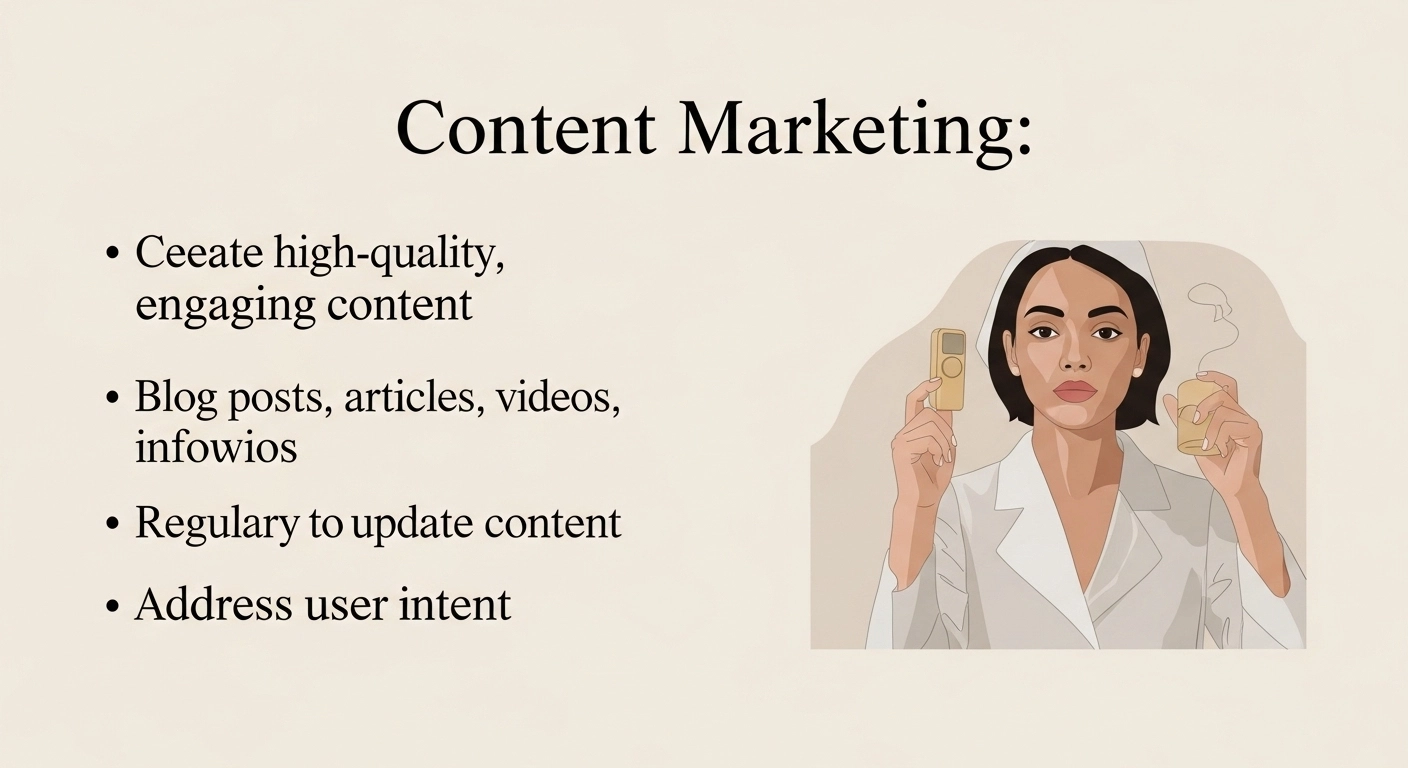
If your pages aren’t climbing in search results, you don’t need another theory—you need a clear, practical checklist you can follow step by step. This guide covers everything that actually moves rankings today: technical health, content quality, on-page optimization, and authority building.
Use it as a working document. Tackle one section at a time, track changes, and measure impact.
1) Technical SEO: Fix the Foundation First
Search engines can’t rank what they can’t properly crawl, render, and index.
Checklist:
- Ensure your site is indexable (no accidental
noindextags) - Submit and maintain an XML sitemap
- Check robots.txt for blocked important pages
- Fix crawl errors (404s, redirect loops)
- Use HTTPS across all pages
- Improve Core Web Vitals (LCP, CLS, INP)
- Make your site mobile-friendly
- Optimize page speed (compress images, lazy load, minify CSS/JS)
Example:
If your product page takes 5+ seconds to load on mobile, reducing image sizes alone can cut load time in half—and often improve rankings within weeks.
2) Keyword & Search Intent Alignment
Ranking isn’t just about keywords—it’s about matching what users actually want.
Checklist:
- Target one primary keyword per page
- Identify search intent (informational, transactional, navigational)
- Include related keywords and synonyms naturally
- Analyze top-ranking pages to match content depth and format
Example:
If your keyword is “SEO ranking improvement checklist,” users expect a structured, actionable list—not a vague article. Match that format.
3) On-Page SEO Optimization
This is where small improvements often bring quick wins.
Checklist:
- Write a compelling SEO title (include main keyword)
- Add a clear, benefit-driven meta description
- Use proper heading structure (H1, H2, H3)
- Include keyword in:
- First 100 words
- URL
- Image alt text
- Optimize internal linking (link to relevant pages)
- Keep URLs short and clean
Example:
Instead of /page?id=123, use:/seo-ranking-improvement-checklist
4) Content Quality & Depth
Content is still the biggest ranking factor—when done right.
Checklist:
- Fully answer the topic (no thin content)
- Use clear structure (short paragraphs, bullet points)
- Add real examples and actionable tips
- Include FAQs to cover related queries
- Update outdated content regularly
- Avoid fluff—focus on value
Pro Tip:
Google rewards content that solves the user’s problem better than competitors—not just longer content.
5) Internal Linking Strategy
Internal links help search engines understand your site and pass authority.
Checklist:
- Link from high-authority pages to important pages
- Use descriptive anchor text
- Build topic clusters (pillar + supporting content)
- Avoid orphan pages (pages with no internal links)
Example:
A blog on “SEO basics” should link to:
- Keyword research guide
- On-page SEO checklist
- Technical SEO audit
6) Backlinks & Authority Building
Backlinks remain one of the strongest ranking signals.
Checklist:
- Earn links from relevant, high-quality sites
- Use guest posting strategically
- Create linkable assets (guides, tools, data)
- Monitor and remove toxic backlinks
- Build relationships in your niche
Example:
A well-researched “SEO checklist” post can naturally attract backlinks if it’s genuinely useful.
7) User Experience (UX) Signals
Search engines track how users interact with your site.
Checklist:
- Improve click-through rate (CTR) with better titles
- Reduce bounce rate with engaging content
- Increase time on page
- Use clean design and readable fonts
- Avoid intrusive popups
Example:
If users leave your page quickly, rankings often drop—even if your SEO is technically correct.
8) Content Refresh & Optimization
Old content can be a goldmine for quick ranking improvements.
Checklist:
- Update outdated stats and examples
- Add new sections to improve depth
- Improve readability and formatting
- Re-optimize keywords based on current trends
- Republish with updated date (if relevant)
Example:
Refreshing an old blog post can boost traffic faster than creating a new one from scratch.
9) Track, Measure, Improve
SEO is not one-time work—it’s continuous improvement.
Checklist:
- Track keyword rankings
- Monitor organic traffic
- Analyze user behavior (CTR, bounce rate)
- Use tools like:
- Google Search Console
- Google Analytics
- Adjust strategy based on data
Quick SEO Ranking Improvement Checklist (Summary)
- Fix technical issues first
- Match search intent perfectly
- Optimize on-page elements
- Create high-quality, useful content
- Strengthen internal linking
- Build strong backlinks
- Improve user experience
- Refresh existing content
- Track and refine continuously
FAQ: SEO Ranking Improvement
Q1: How long does it take to improve SEO rankings?
Usually 4–12 weeks for noticeable changes, depending on competition and site authority.
Q2: What is the fastest way to improve rankings?
Fix technical issues, improve existing content, and optimize on-page SEO.
Q3: Do backlinks still matter in SEO?
Yes—high-quality backlinks are still a major ranking factor.
Q4: How often should I update my content?
Every 3–6 months, or whenever information becomes outdated.
Final Thoughts
SEO ranking improvement isn’t about hacks—it’s about doing the fundamentals better than your competitors. When your site is technically sound, your content matches intent, and your authority grows steadily, rankings follow naturally.
If you apply this checklist consistently, you won’t just improve rankings—you’ll build long-term, sustainable traffic.
