
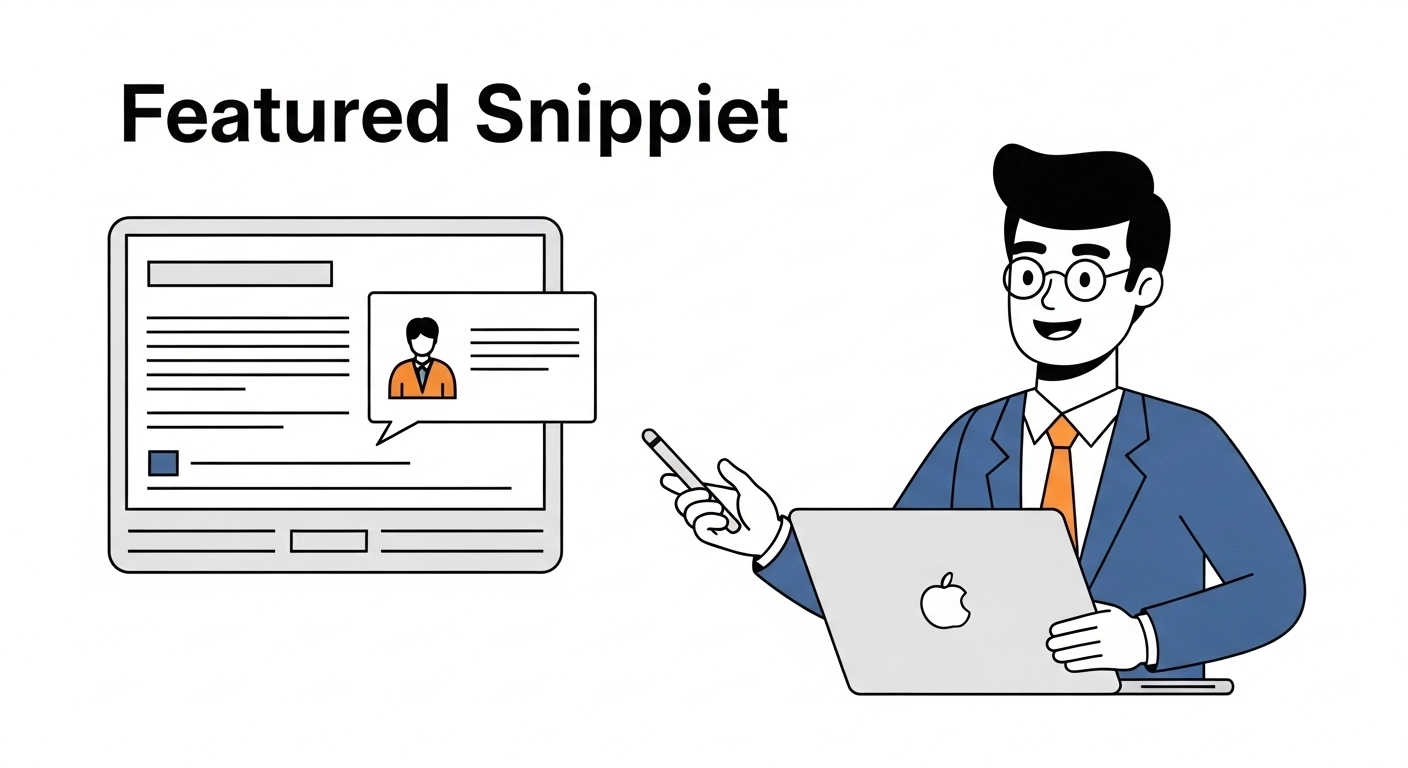
If you’ve ever searched something on Google and seen a short answer box at the very top of the results, you’ve seen a featured snippet.
That box—often called “Position Zero”—appears above the first organic result and can drive massive visibility and clicks to your site. For many websites, ranking in a featured snippet can outperform even the #1 ranking result.
In this guide, you’ll learn how featured snippets work, why they matter for SEO, and exactly how to optimize your content to win them.
What Is a Featured Snippet?
A featured snippet is a highlighted search result that appears at the top of Google’s search results page. It directly answers a user’s question by pulling a short piece of content from a webpage.
Common formats include:
- Paragraph snippets
- List snippets
- Table snippets
- Video snippets
Google chooses the snippet it believes best answers the search query quickly and clearly.
Example
If someone searches “what is featured snippet optimization”, Google might display a short paragraph from a blog that defines it clearly in 40–60 words.
That page earns the Position Zero spot.
Why Featured Snippets Matter for SEO
Featured snippets can dramatically increase your search visibility.
Key benefits include:
1. Maximum Visibility
Your content appears above all other organic results, making it the first thing users see.
2. Higher Click-Through Rates
Many studies show that featured snippets can significantly boost organic traffic when they encourage users to click for more details.
3. Authority and Trust
Being selected by Google positions your site as a trusted source of information.
4. Voice Search Advantage
Voice assistants often read answers directly from featured snippets, making them important for voice search SEO.
Types of Featured Snippets
Understanding snippet formats helps you structure content properly.
Paragraph Snippets
These are the most common. They provide a short definition or explanation.
Example queries:
- “What is technical SEO?”
- “Why is page speed important?”
Optimization tip: Write clear definitions in 40–60 words.
List Snippets
These display numbered or bulleted steps.
Example queries:
- “How to optimize images for SEO”
- “Steps to start a blog”
Optimization tip: Use numbered lists for step-by-step instructions.
Table Snippets
These show structured data like comparisons or pricing.
Example queries:
- “SEO tools comparison”
- “Laptop specs comparison”
Optimization tip: Use simple HTML tables for organized data.
Video Snippets
Sometimes Google pulls a segment from YouTube videos.
Example queries:
- “How to tie a tie”
- “How to install WordPress”
Optimization tip: Add clear timestamps and descriptions.
How to Optimize Content for Featured Snippets
Winning a featured snippet isn’t random. Google prefers content that is clear, structured, and directly answers search questions.
Here are the most effective strategies.
1. Target Question-Based Keywords
Featured snippets often come from question searches.
Examples:
- What is…
- How to…
- Why does…
- Best way to…
Tools that help identify these queries include:
- Google “People Also Ask”
- AnswerThePublic
- Keyword research tools
Create content that directly answers these questions.
2. Answer the Question Immediately
Place a clear answer directly under the heading.
Example:
What Is Featured Snippet Optimization?
Featured snippet optimization is the process of structuring website content so Google can easily extract and display it as a highlighted answer at the top of search results.
This format increases visibility and improves organic traffic.
Keep answers concise and accurate.
3. Use Structured Headings (H2 & H3)
Google scans page structure to understand content.
Use headings like:
- H2: What Is On-Page SEO
- H2: Benefits of On-Page SEO
- H2: How to Improve On-Page SEO
This structure helps Google identify clear sections for snippets.
4. Add Lists and Step-By-Step Sections
Lists are commonly pulled for snippets.
Example:
Steps to Optimize for Featured Snippets
- Identify question keywords
- Write concise answers
- Use structured headings
- Add lists or tables
- Improve overall SEO
This format increases snippet chances.
5. Use Simple, Direct Language
Google prefers clear, easy-to-understand explanations.
Avoid long, complex sentences.
Good snippet answers are usually:
- 40–60 words
- Direct and factual
- Easy to read
6. Already Rank on Page One
Most featured snippets come from top 10 results.
If your page ranks on page two or lower, focus on:
- improving content quality
- building backlinks
- optimizing on-page SEO
First reach page one, then aim for the snippet.
7. Optimize for “People Also Ask”
The People Also Ask (PAA) section reveals related questions.
Add a short Q&A section addressing those queries. This increases the chances of capturing multiple snippets.
Real-World Example of Featured Snippet Optimization
Imagine you run a blog about digital marketing.
Instead of writing a vague article titled:
“Everything About SEO”
Write a targeted article like:
“What Is Technical SEO? (Beginner Guide)”
Then include a clear definition under the heading.
Google can easily extract that answer for a snippet.
This simple structure dramatically increases snippet opportunities.
Common Mistakes to Avoid
Many websites miss snippet opportunities due to simple mistakes.
Avoid these issues:
- Writing long, unclear explanations
- Ignoring question-based headings
- Poor page structure
- Keyword stuffing
- Not answering the search query directly
Remember: Google favors clarity and structure over complexity.
FAQ: Featured Snippet Optimization
What is featured snippet optimization?
Featured snippet optimization is the process of structuring website content so Google can easily extract and display it in the featured answer box at the top of search results.
How long should a featured snippet answer be?
Most paragraph snippets are 40–60 words long, providing a clear and concise explanation of the query.
Can a page rank #1 and still lose to a featured snippet?
Yes. A featured snippet appears above the #1 organic result, which is why it’s often called Position Zero.
Do featured snippets increase traffic?
Yes. Featured snippets can significantly increase visibility, brand authority, and organic traffic, especially when users click to learn more.
Are featured snippets important for voice search?
Yes. Many voice assistants pull answers directly from featured snippets when responding to user queries.
Final Thoughts
Featured snippet optimization is one of the most powerful yet overlooked SEO strategies. By structuring content clearly, answering questions directly, and using lists or tables where appropriate, you can dramatically improve your chances of winning Position Zero.
